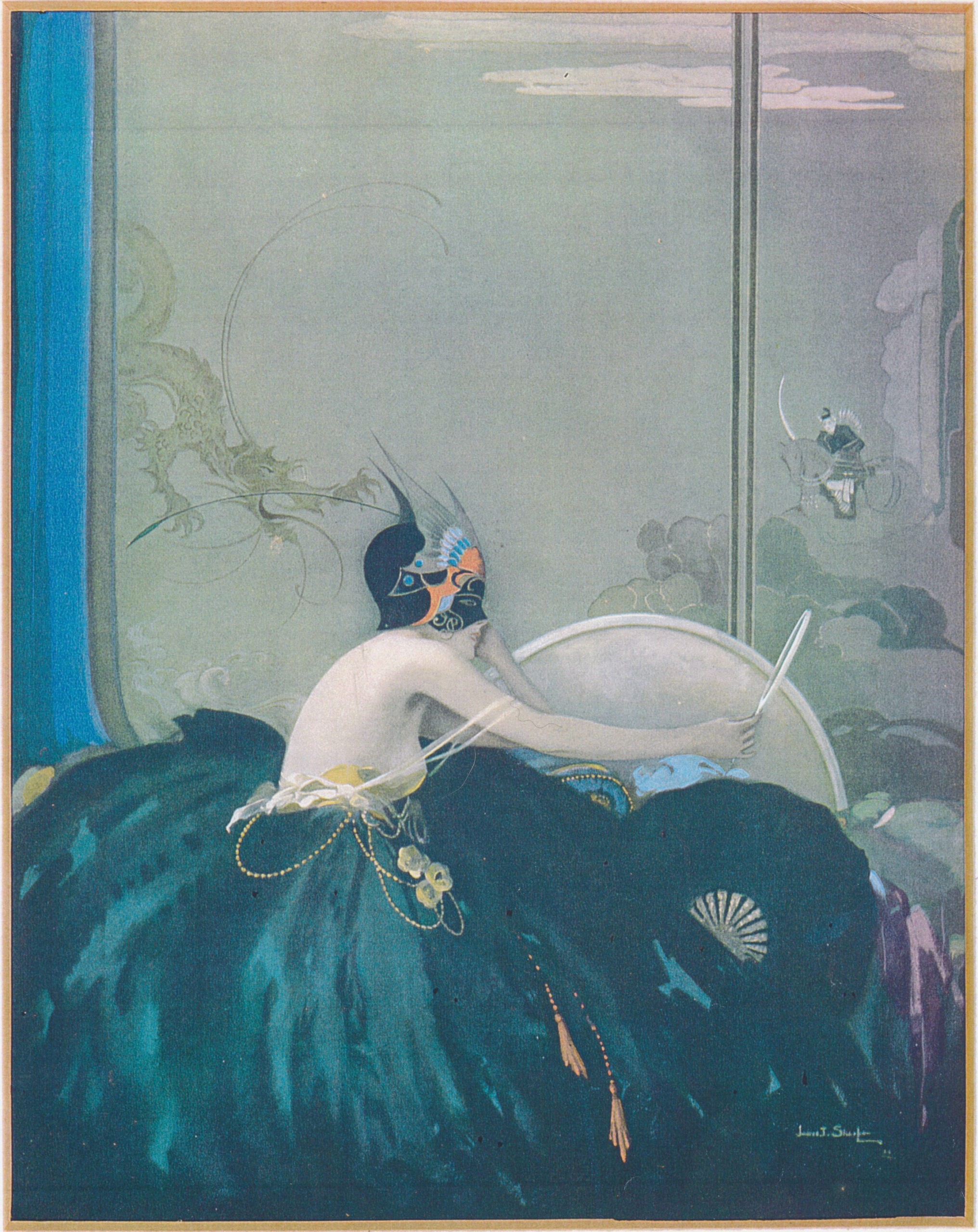
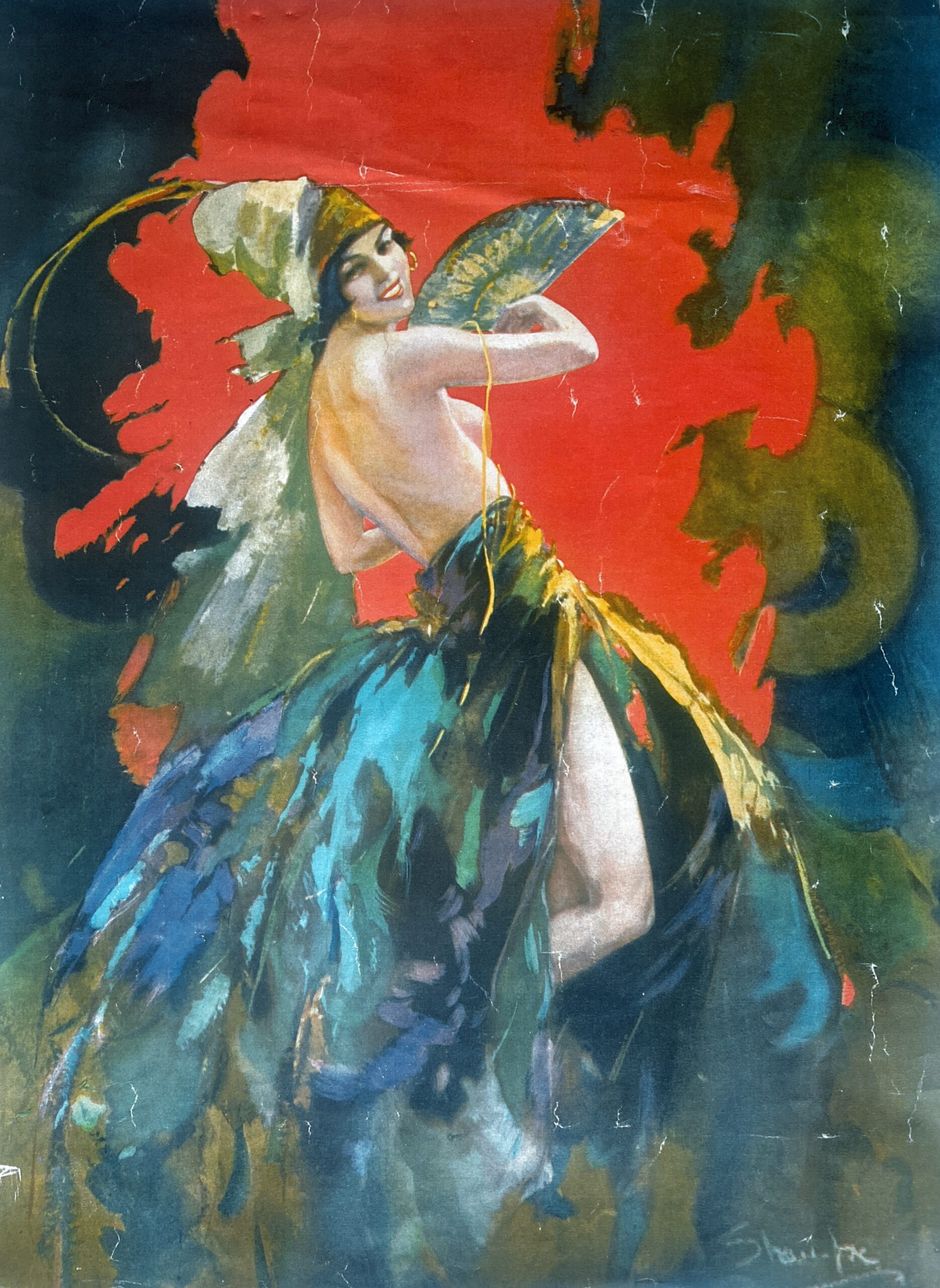
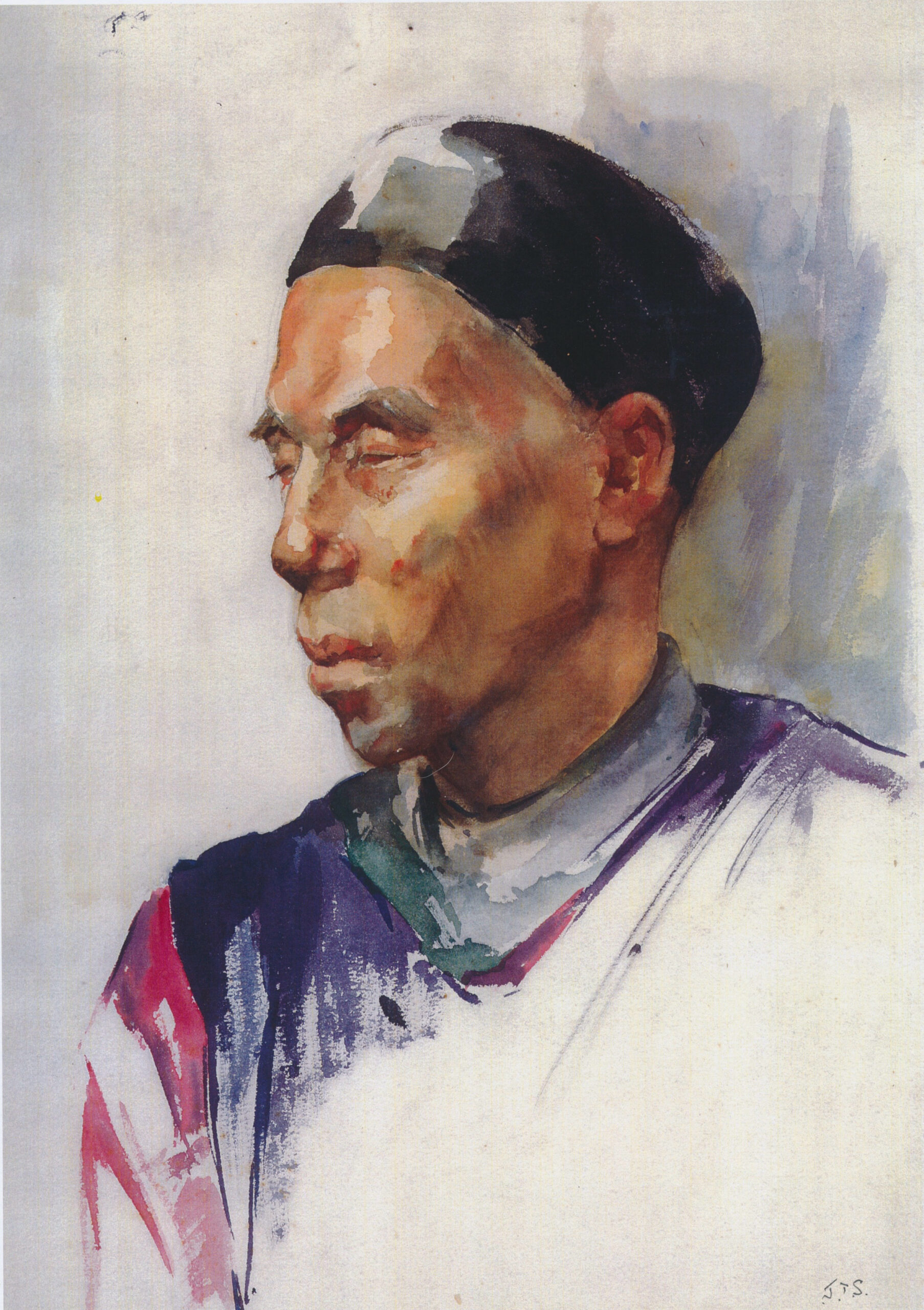
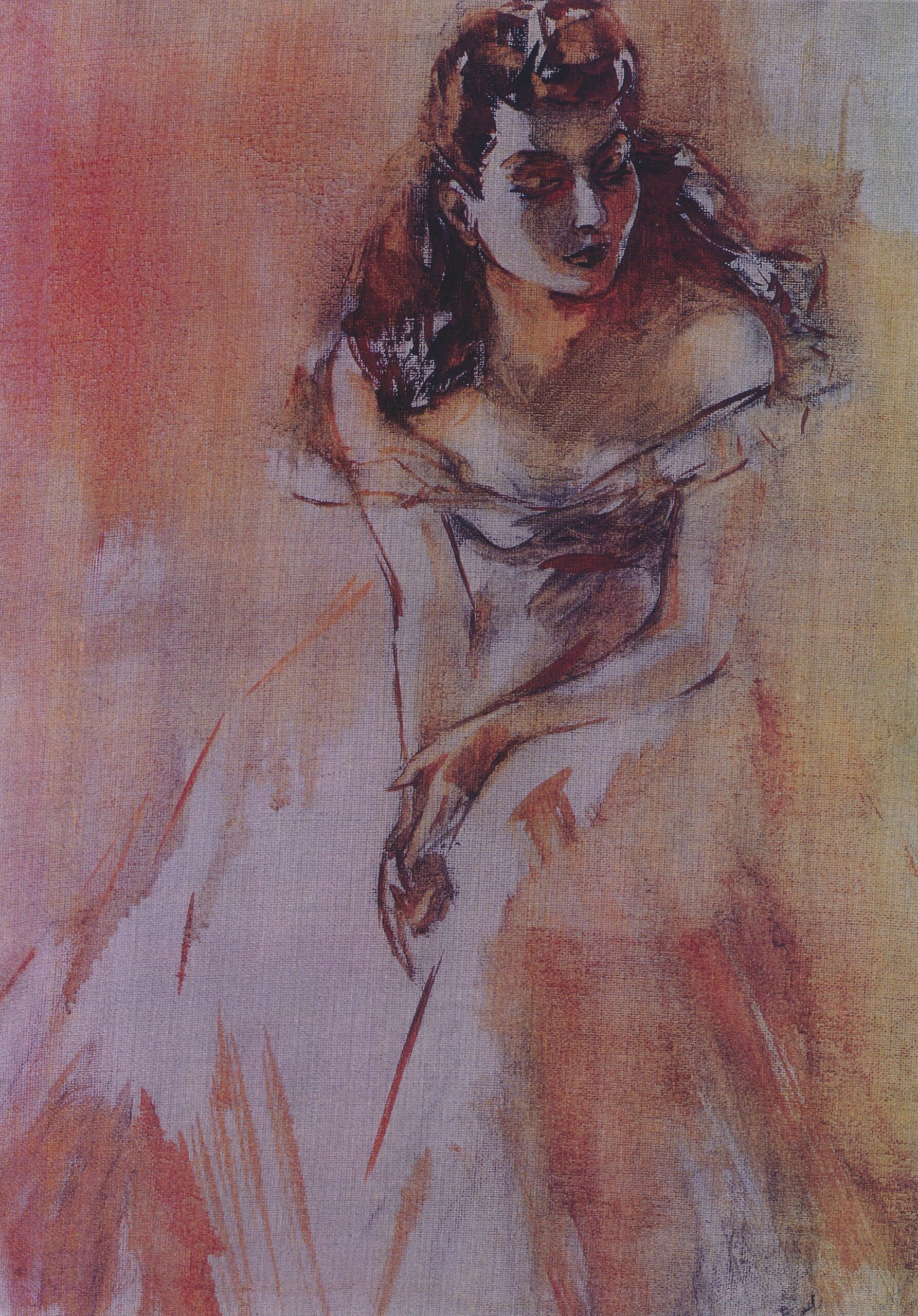
I’m not an artist — can’t brush a stroke, can’t play a note, can’t pass informed judgment — but I love the seemingly easy, romantic nature of James Sharpe’s work. In our own home what we have of his work is fairly meagre, just three framed prints — The Mask, the Scots girl and the portrait of Amelia — plus some scans that Heather did with Angus.
What I admire is the way James passed his gifts on to his children. Along with Amelia he always fostered their creative gifts in what must have been a boisterous, but rather magical, household. Not that they all became artists. Douglas, for example, one of the “young terrors”, was a madcap boy engineer, and made electrical engineering his career. My favourites are the portraits that James did of his children. I hope to post more of them later, but here for now is a family gallery.
To watch the world turn, compare these images with the Edwardian interiors of Selfridges, maybe 30 years earlier. As always, click on any image to view them full size.
§
James’s own
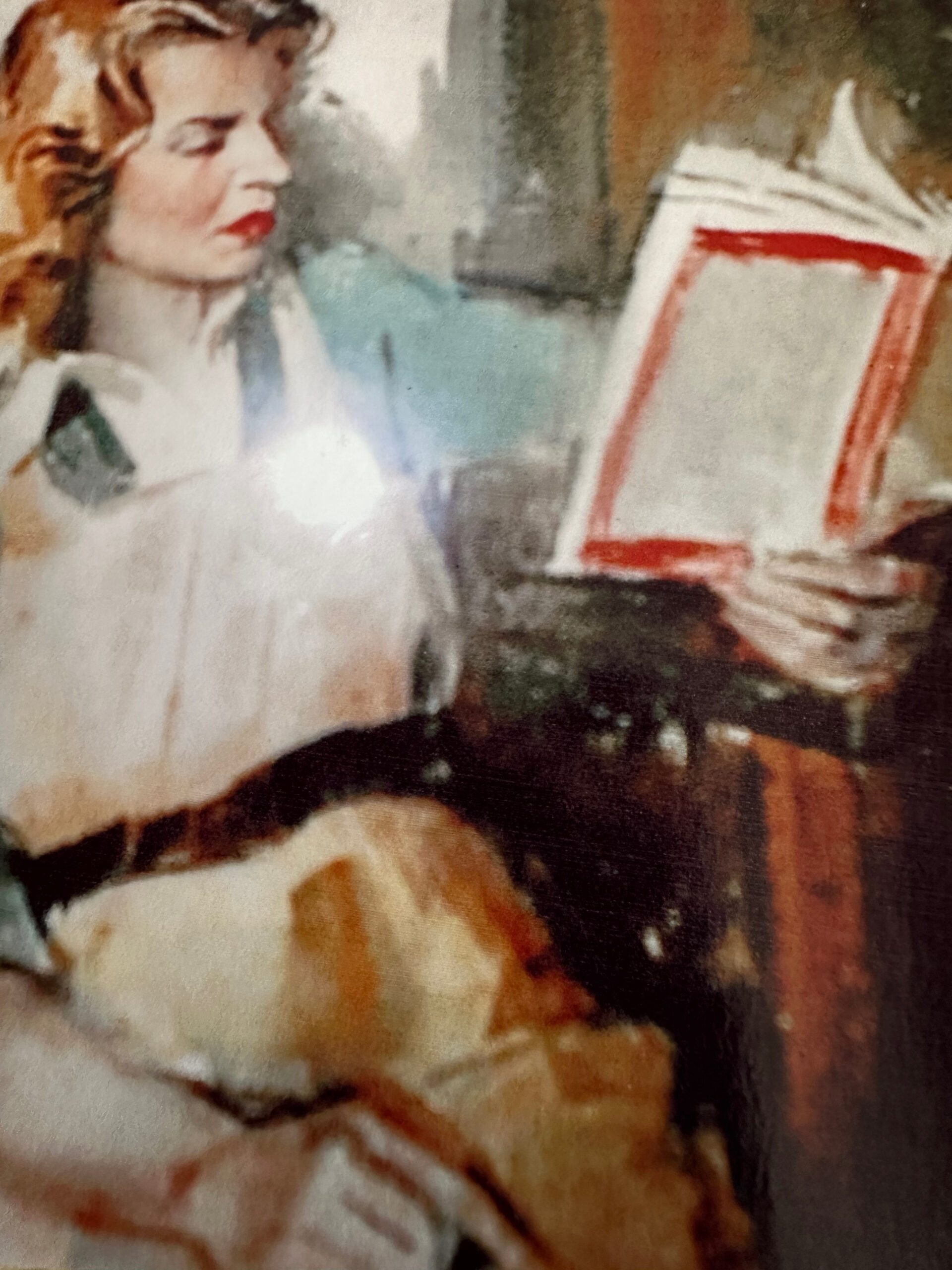
We visited James’s daughter Kath and son-in-law Bert twice in their Ringwood home, once in 1980 and again in 2001. Heather asked about a painting of Kath on the piano, and Kath explained that her father had painted it after a stroke, to demonstrate that he still had the capability. Heather wondered whether the portrait of Dorothy in her wartime Women’s Land Army kit was painted about the same time.
§
Sonny
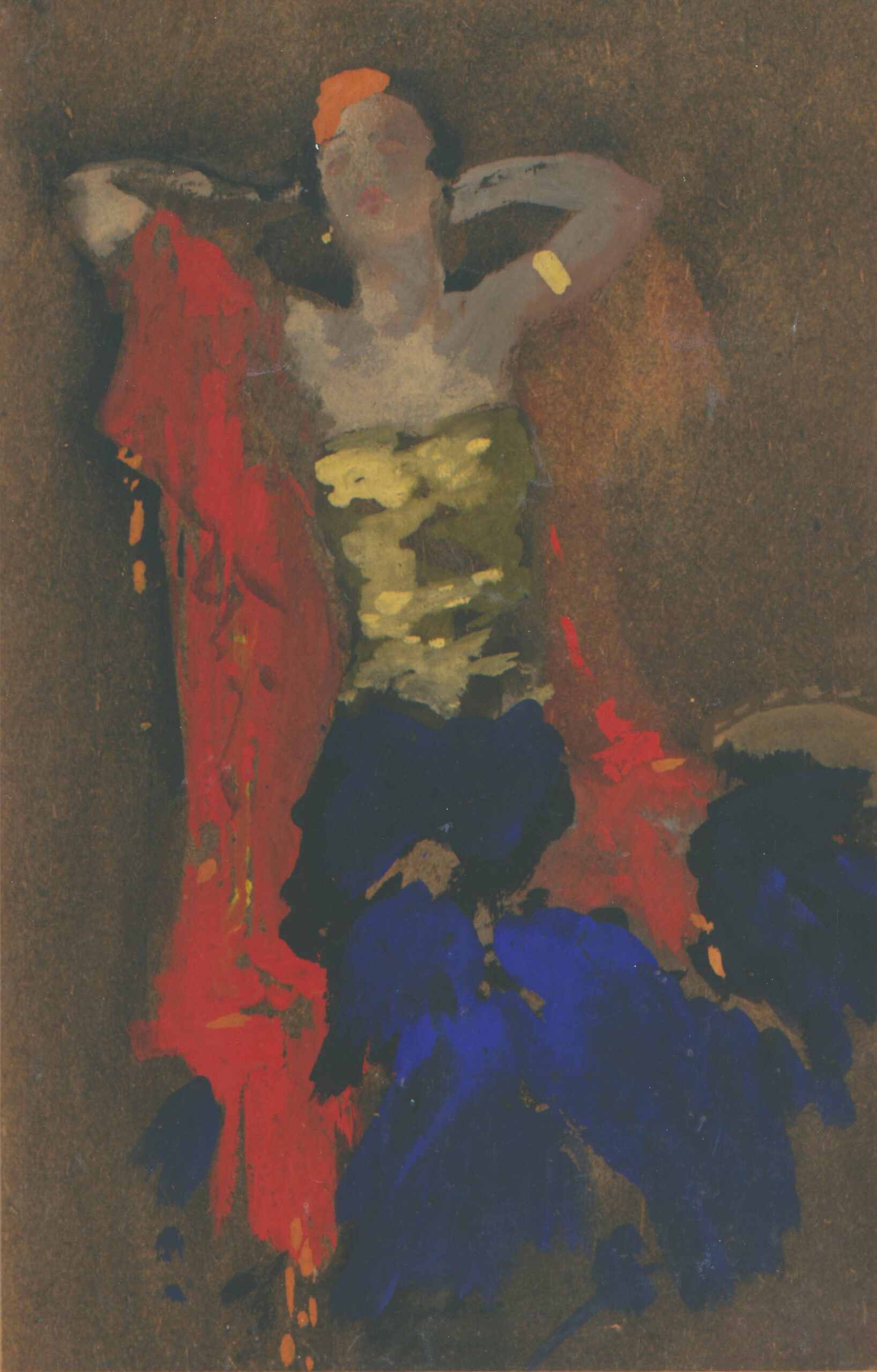
Sonny, Heather’s father (James, son of James), was the entrepreneurial sort, and lived a business/corporate life. He was also a talented artist.
On our walls is this preliminary sketch on hardboard that he did for a larger painting. Every now and then I’ll look at it absentmindedly and ask Heather, is that your Dad’s or your Grandfather’s? Like father like son.
The reproduction doesn’t do it justice. If he’d lived longer I’d have told him how much I value his daughter.
§
Dorothy
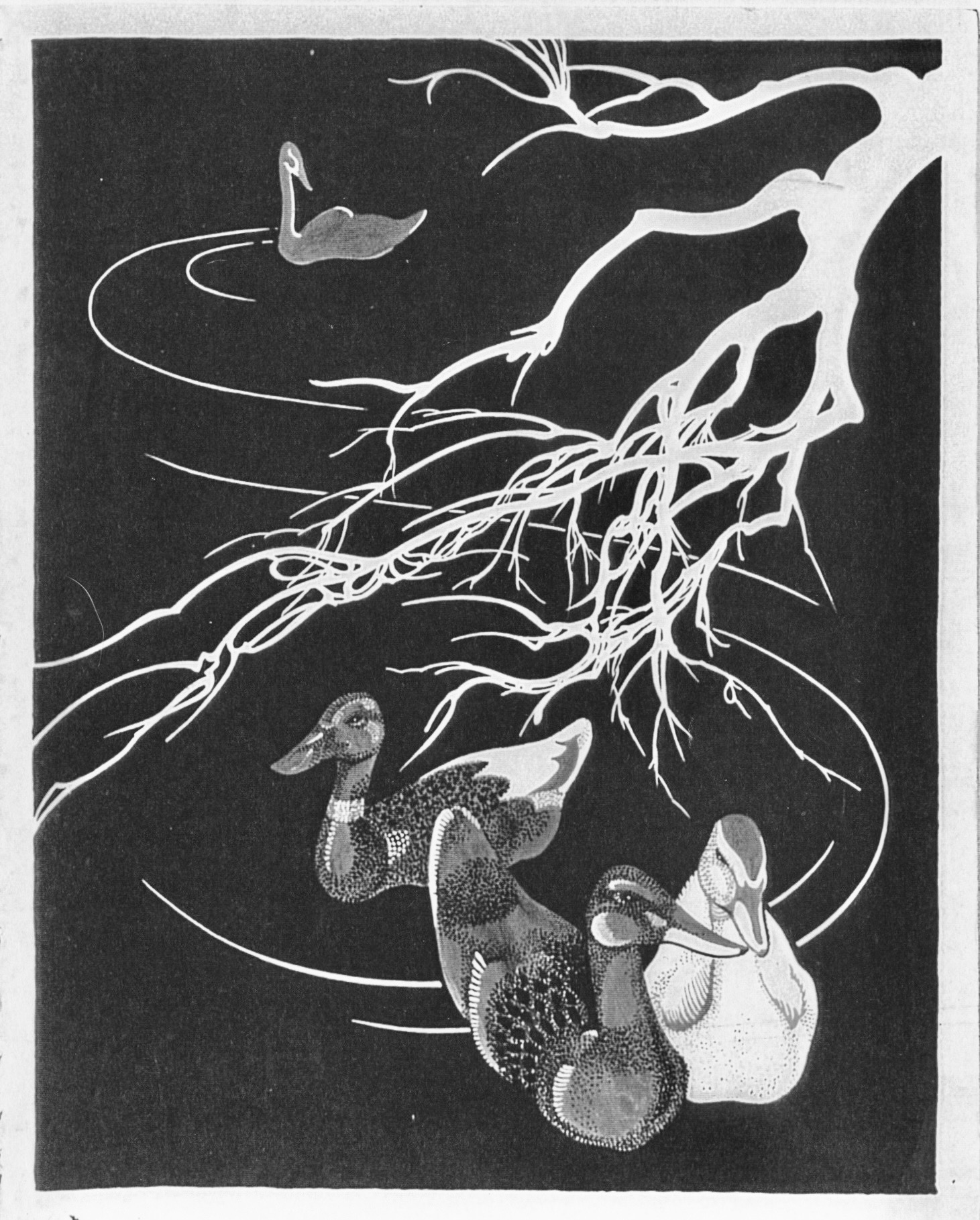
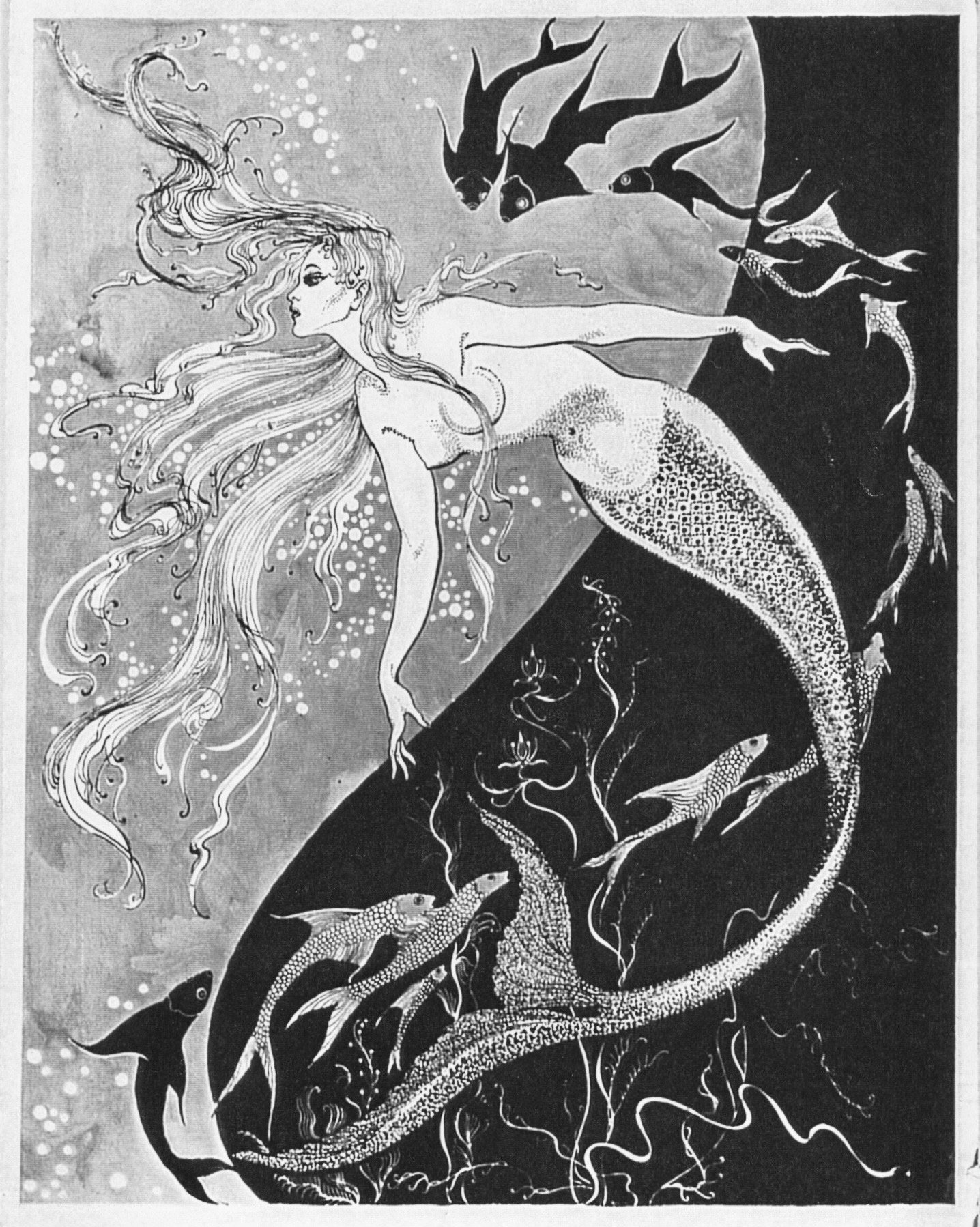
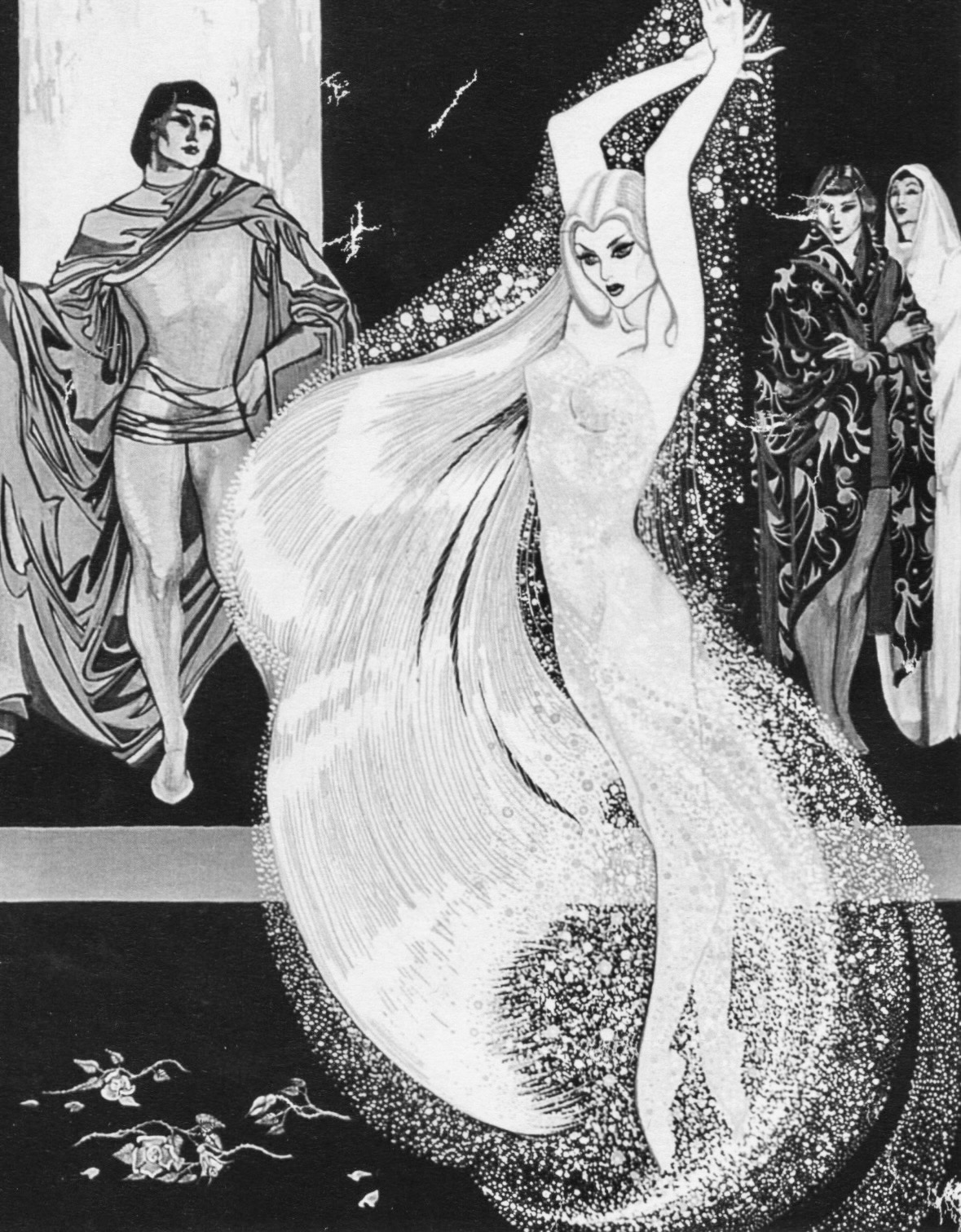
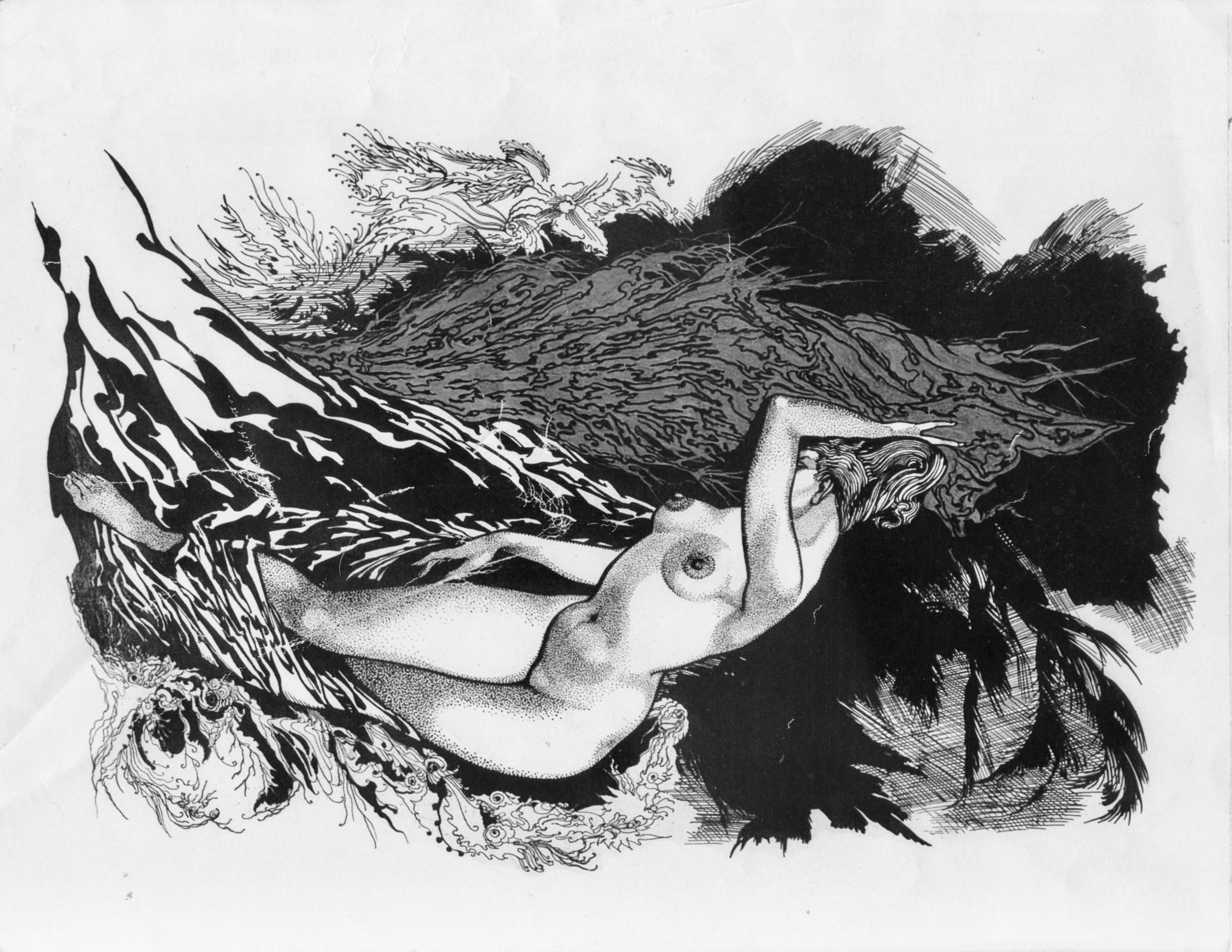
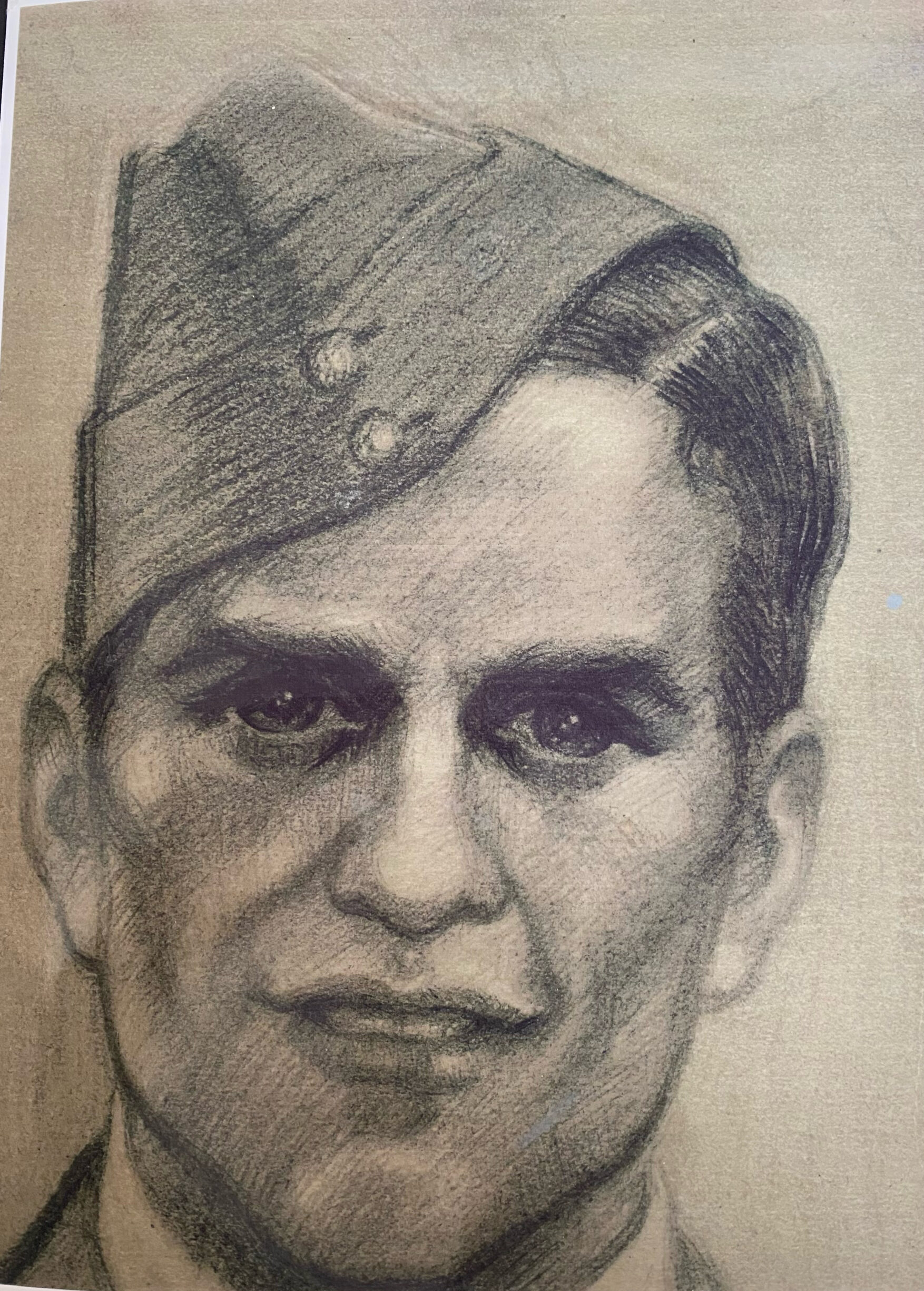
The second oldest of the girls, first name Mary but always called Dorothy, trained at the Camberwell School of Art and worked as an artist.
With the exception of the 1940 sketch of her brother Norman, these are book illustrations.
§
A family affair
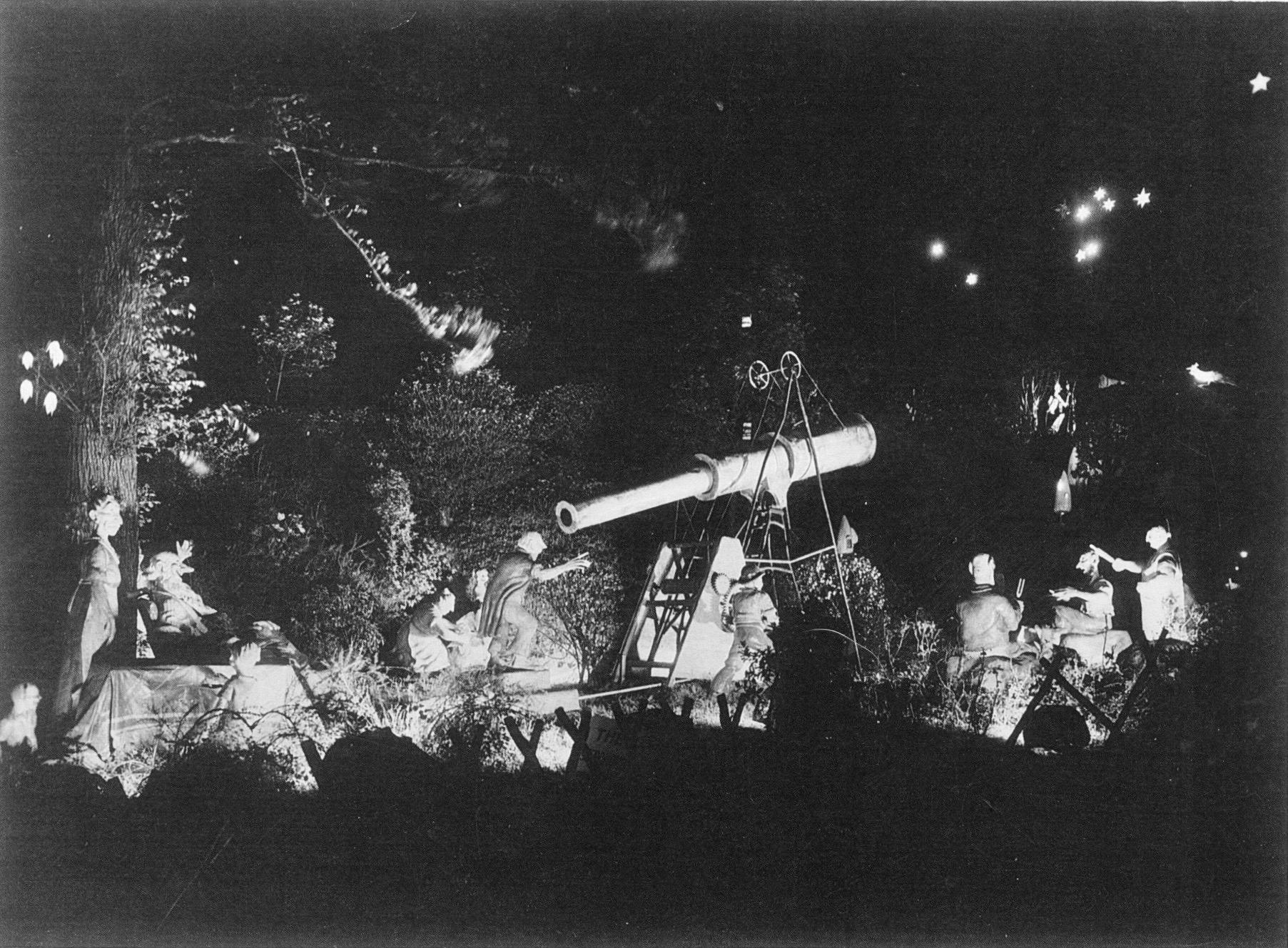
Angus describes how his father:
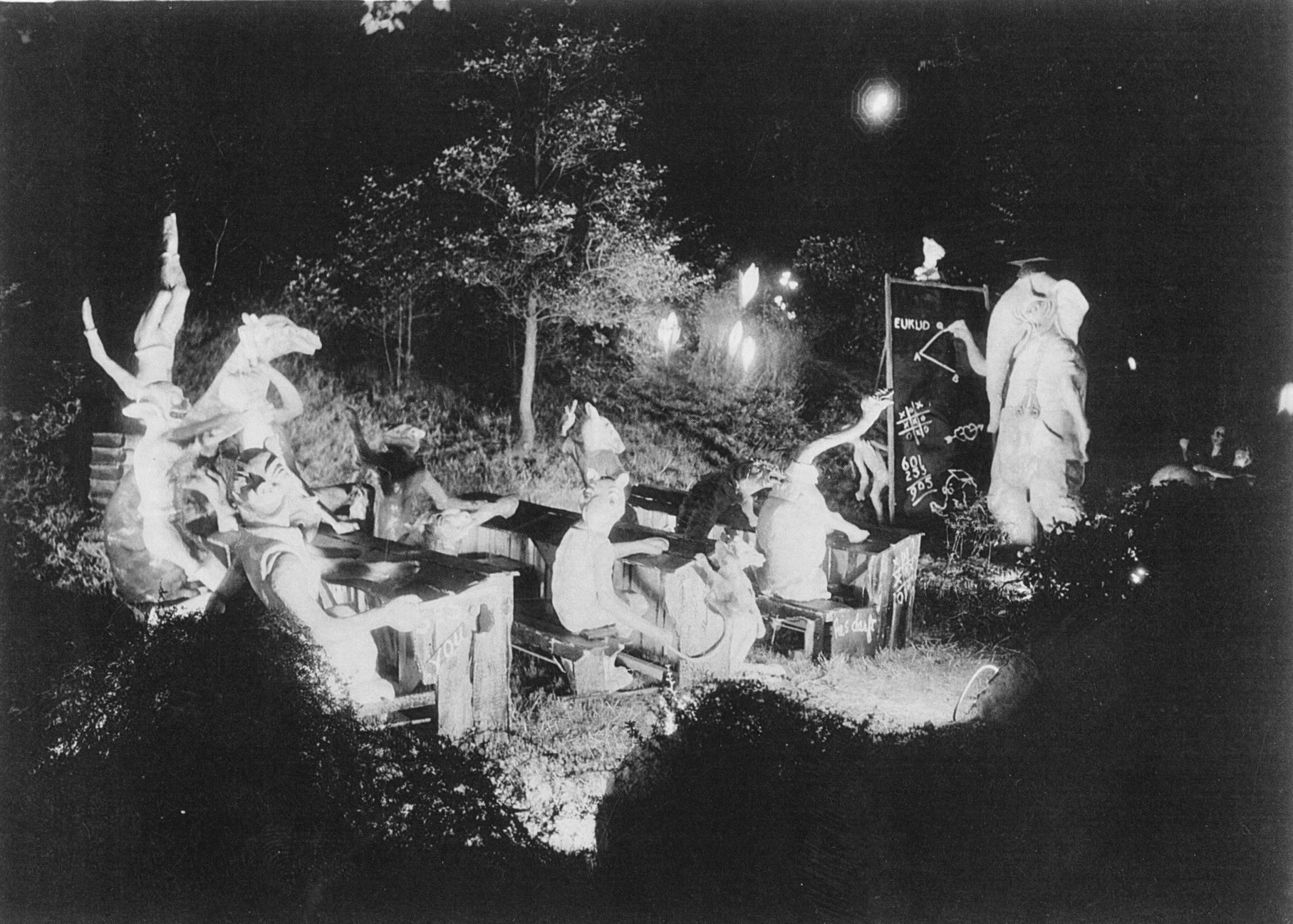
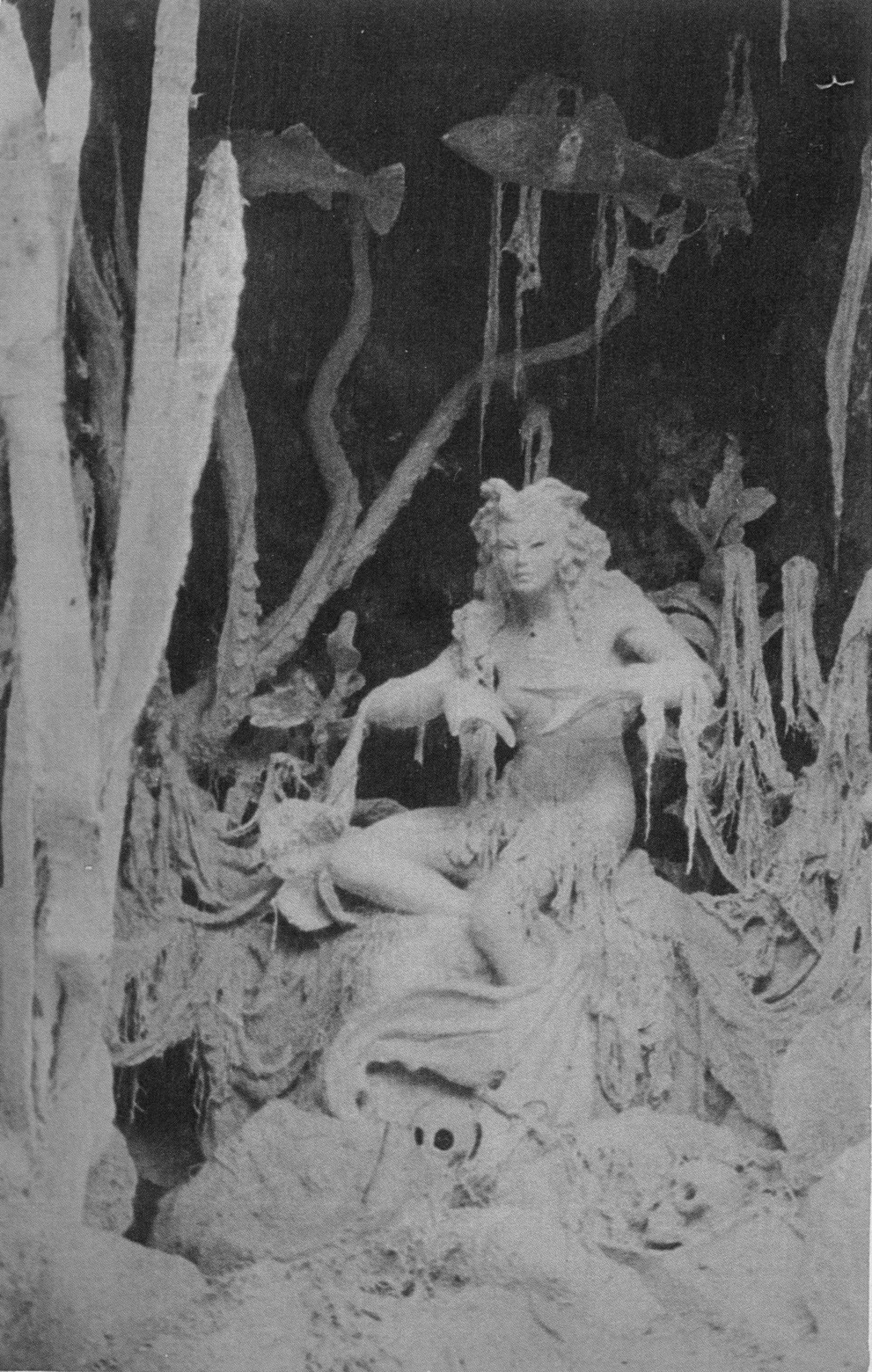
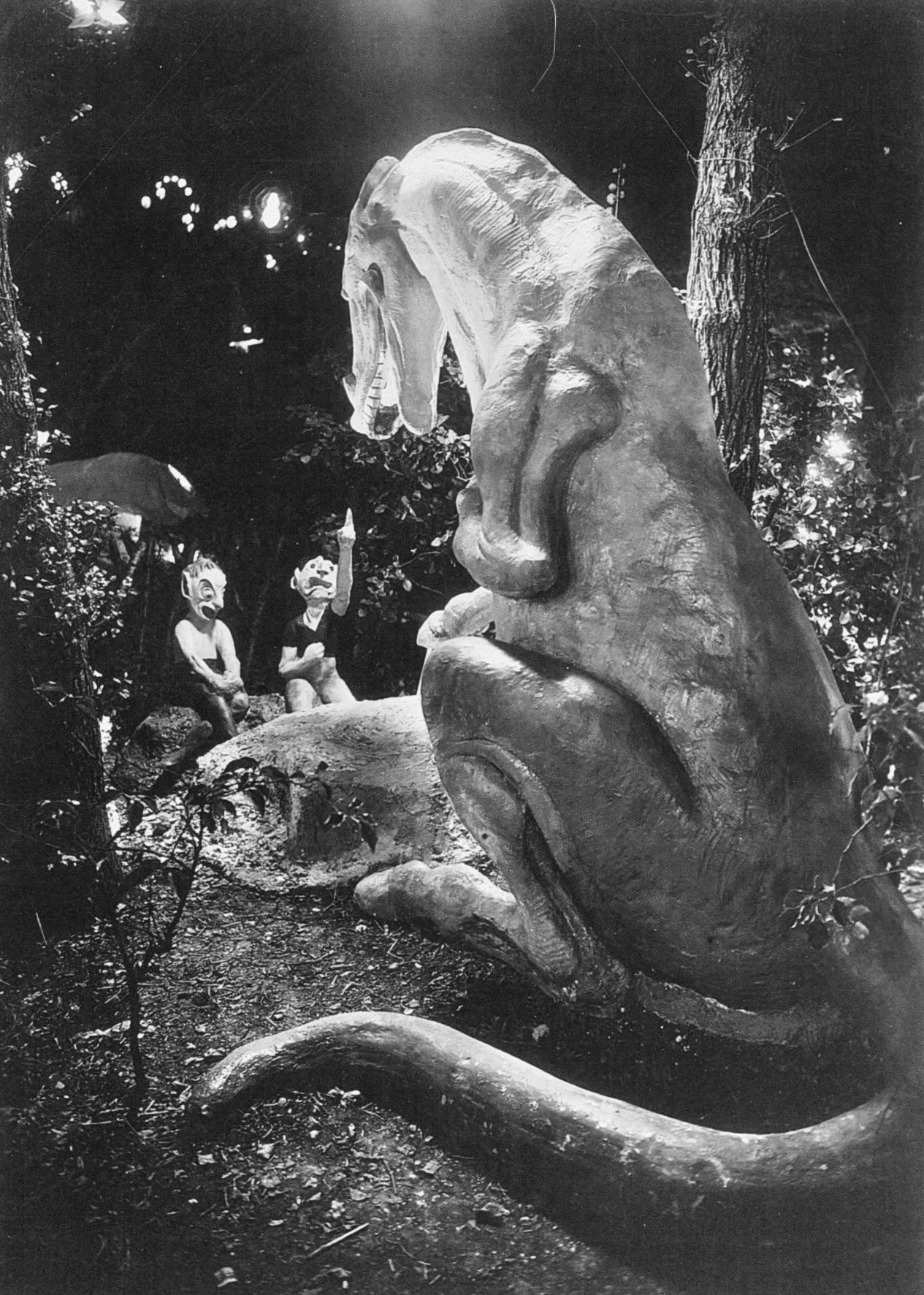
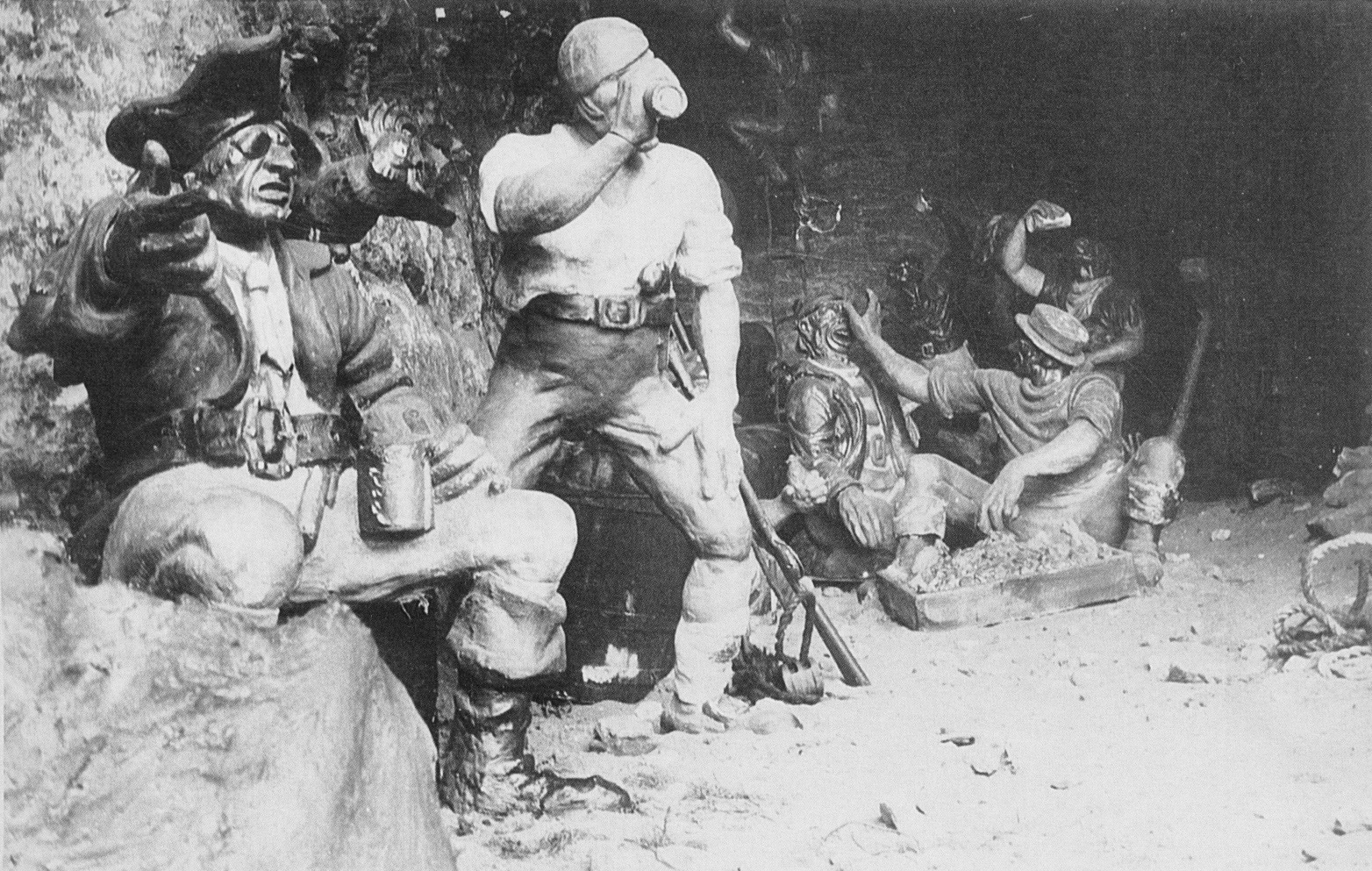
…designed the Southend Council’s Park illuminations for several years before the War, and, as they had been such a drawcard for the seaside town, the Council at Sunderland requested a similar exhibition for their 1939 Summer period.
It was to be a remarkable display, and the Park was divided into several areas where scenes like the Frogs’ Boxing Match, Davy Jones Locker, Hobgoblins and Dragons and many others were allocated space, with thousands of lights to complete the magic for the public opening.
Sonny had modelled most of the large figures in the display, and over previous months the rest of us had contributed by making hundreds of the smaller figures. Douglas made the wire armatures, about 12 inches (30cms) tall, and I assisted by tying newspaper around them, ready to be shellacked. We then used rolls and rolls of grey plasticine to model each figure and painted them with weatherproof oil paints.
It was all due to be illuminated on 3rd September 1939. Alas, at 10.00 am on that Sunday Morning, the Prime Minister announced that the country was at war with Germany, and the switch was never pulled on that wonderful display. It was a dreadful shame that the Sunderland public and visitors to the area were deprived of the privilege of seeing those wonderful sights, and that Dad never had the opportunity to repeat his wondrous ideas again. An amazing brain, gone forever…
A number of seaside towns held these “festivals of electric light” and some, including Sunderland, still do. Naturally enough the Illuminations were intended for viewing at night, and the September 1 blackout regulations of 1939 required all public lighting to be extinguished or dimmed to prevent enemy aircraft from identifying targets. Evacuation of children from the cities began at the same time.
These photographs show a few of the actual working displays, although most have been lost. I’m sure there’s a design sketch for the first one somewhere — setting up the telescope in the woods — but if so I can’t find it. I’d love to know the logistics of this too. Southend is more than 40 miles away on the mouth of the Thames. Sunderland is almost 300 miles away on the North East coast between Newcastle and Durham.